

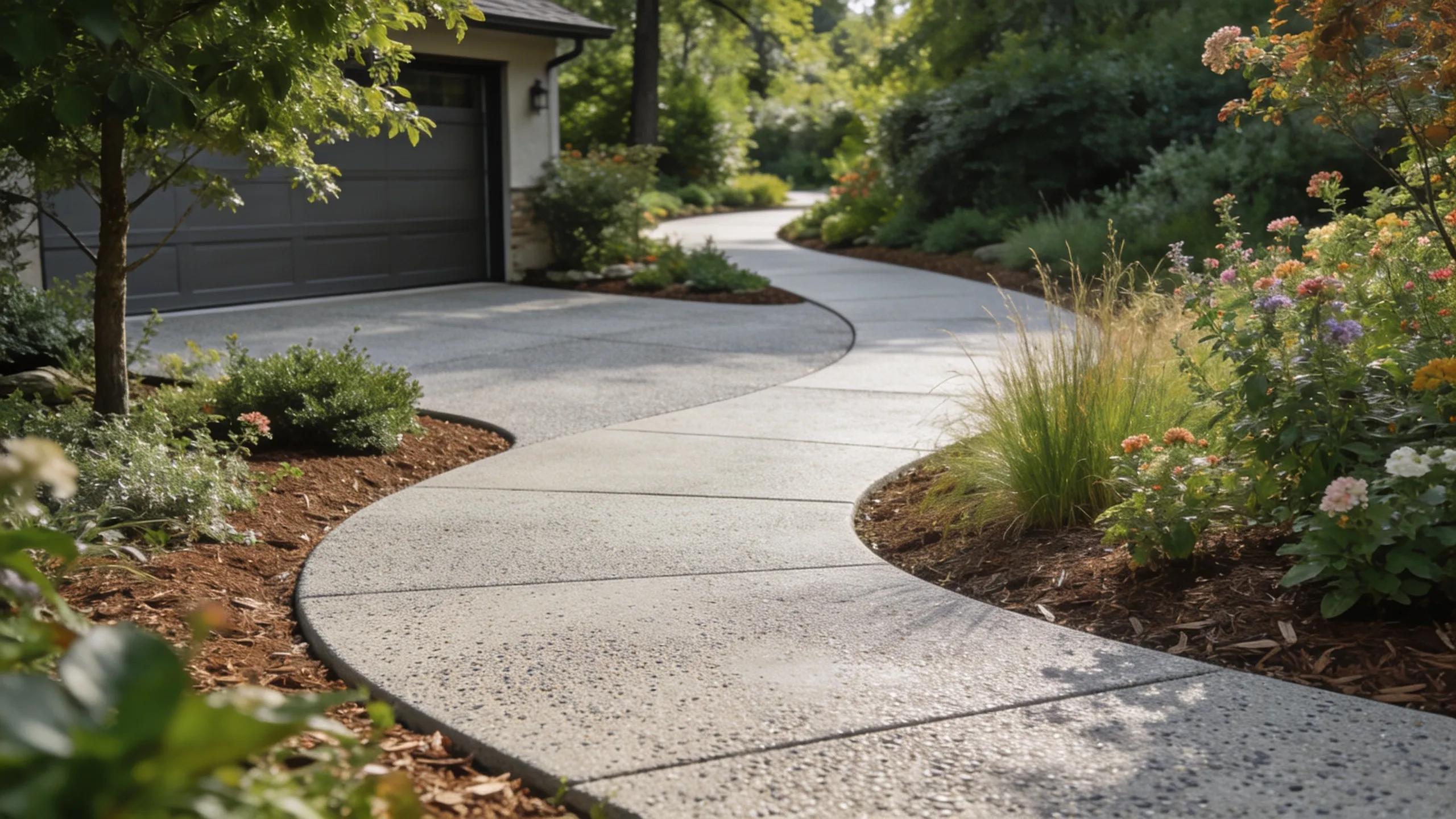
Permeable Paving Options: Sustainable Garden Paving Materials and Eco-Friendly Outdoor Flooring Solutions
Permeable paving combines environmental performance with refined aesthetics. This article summarizes sustainable garden paving materials and eco‑friendly outdoor flooring solutions, explains how they improve stormwater management, and outlines practical installation and maintenance guidance for durable, attractive exteriors.
What Are the Best Sustainable Materials for Permeable Garden Paving?
Common sustainable options include permeable pavers, porous concrete, gravel and natural stone. Each permits water infiltration to reduce runoff, replenish groundwater and deliver long‑lasting surfaces suited to different design goals.
Permeable Pavers
Permeable pavers are modular units with joint spaces that admit water. They offer strong drainage, visual variety, and straightforward maintenance when joints are kept clear.
Porous Concrete
Porous concrete is a continuous, permeable slab that supports driveways and walkways while allowing infiltration. It provides a smooth, resilient surface and is chosen where structural continuity is preferred.
How Do Porous Concrete and Porous Pavers Enhance Drainage and Sustainability?
Both materials rely on engineered porosity to move water into the ground rather than to drainage systems, lowering flood risk, reducing pressure on municipal stormwater infrastructure and aiding aquifer recharge.
Impact on Stormwater Management
By promoting infiltration, they reduce surface runoff in urban sites where conventional drains can be overwhelmed.
Long-Term Sustainability Benefits
Porous systems reduce erosion and the need for extensive engineered drainage, and they help maintain healthier soil moisture for adjacent planting areas.
What Are the Advantages and Considerations of Gravel Systems in Luxury Landscaping?
Gravel provides excellent drainage, broad aesthetic options, and relatively simple installation; it suits many luxury garden schemes when specified carefully.
Benefits of Gravel Systems
- Drainage Efficiency: Gravel allows rapid infiltration and prevents pooling.
- Aesthetic Variety: Sizes and colors adapt to diverse styles.
- Easy Installation: Installation is typically faster and less complex than hard‑surfacing.
Considerations for Luxury Applications
To retain a polished appearance, address common issues during installation and upkeep.
- Maintenance: Replenish displaced material as needed.
- Weed Growth: Use geotextiles and good site prep to limit weeds.
- Comfort: Place gravel thoughtfully in high‑traffic areas to preserve comfort.
How Are Permeable Paving Systems Installed to Optimize Drainage Solutions for Landscaping?
Correct installation is essential: design the base, select appropriate materials and maintain suitable slopes so the system performs as intended.
Steps to Install Permeable Paving Systems
- Site Analysis: Evaluate soil, slope and drainage capacity.
- Base Preparation: Build a free‑draining aggregate base sized for load and infiltration.
- Paver Placement: Lay units or pour porous concrete per specification; use permeable joint infill where required.
- Compaction: Compact base layers to ensure stability without blocking permeability.
Common Pitfalls
Avoid insufficient base depth, poor compaction or inadequate slope—these are frequent causes of premature performance issues.
What Best Practices Ensure Effective Installation of Eco-Friendly Outdoor Flooring?
Good outcomes depend on quality materials, competent installation and regular maintenance.
- Utilizing Quality Materials: Choose durable, permeable products suitable for the project.
- Professional Installation: Skilled contractors help meet code and performance expectations.
- Regular Maintenance: Scheduled cleaning and joint replenishment preserve permeability and appearance.
How Does Installation Affect Longevity and Maintenance of Sustainable Paving?
Installation largely determines lifespan: well‑designed subgrade and correct compaction prevent settlement and maintain drainage over time.
Installation Factors Affecting Durability
- Subgrade Conditions: Stable soils reduce settling risks.
- Compaction Methods: Proper compaction prevents voids that impair drainage.
Maintenance Requirements Post-Installation
Routine tasks—clearing debris, checking for erosion and replenishing joint material—keep systems functioning with minimal long‑term cost.
What Are the Environmental and Aesthetic Benefits of Permeable Paving in Custom Outdoor Living Spaces?
Permeable paving improves stormwater management while offering design flexibility to create bespoke paths, driveways and patios that enhance a property’s character.
Environmental Impact
Permitting rainwater to infiltrate reduces runoff, supports groundwater recharge and lowers flood risk in built environments.
Aesthetic Flexibility
A wide range of materials, patterns and colors allows tailored layouts that complement specific architectural and landscape styles.
How Does Permeable Paving Contribute to Stormwater Runoff Reduction in Southern California Gardens?
In Southern California’s climate—sporadic storms and long dry periods—permeable paving helps capture episodic rainfall on‑site, protects waterways and reduces erosion.
Reduction of Runoff
On‑site absorption cuts the volume and speed of runoff, aiding regulatory compliance and protecting local streams.
Support for Local Ecosystems
Maintaining soil moisture benefits native plants and supports urban biodiversity around paved areas.
What Transformative Effects Does Permeable Paving Have on Luxury Garden Design?
Permeable paving marries utility and elegance, increasing curb appeal and attracting buyers who value ecological performance alongside style.
Enhancement of Property Value
Well‑executed permeable systems can boost property value by combining visual quality with functional, sustainable features.
Design Flexibility and Uniqueness
Designers can mix materials and patterns to create distinctive luxury landscapes from minimalist to formal compositions.
How Can Affluent Homeowners Request a Free Estimate for Custom Permeable Paving Solutions?
Homeowners seeking bespoke permeable paving can request a complimentary estimate from qualified specialists who tailor proposals to site conditions and client objectives.
Process for Requesting a Quote
Provide project details to a landscape specialist to receive a site‑specific proposal and scope.
Importance of Personalized Consultations
Consultations ensure material selection and layout meet the client’s aesthetic goals and the site’s functional needs.
What Personalized Consultation Services Are Offered for Sustainable Garden Paving?
Consultations cover site assessment, material specification and bespoke design options to align sustainability goals with the homeowner’s vision.
Types of Consultations Available
Services typically include on‑site evaluation, material recommendations and tailored layout plans.
Benefits of Personalized Services
Personalized guidance helps homeowners make informed choices and achieve long‑lasting, attractive results.
Why Choose Urban Landscape Maintenance Inc. for Exclusive Permeable Paving Projects?
Selecting an experienced firm such as Urban Landscape Maintenance Inc. can improve project outcomes. For Newport Beach homeowners seeking permeable paving, their expertise supports both ecological function and refined aesthetics.
Expertise and Portfolio
The firm focuses on high‑end sustainable landscapes and custom outdoor environments for affluent Southern California clients.
Commitment to Sustainability
They apply advanced techniques and eco‑conscious materials to deliver responsible, long‑lasting results.
Frequently Asked Questions
1. What are the key differences between permeable pavers and porous concrete?
Permeable pavers are modular with permeable joints and greater aesthetic variation; porous concrete is a continuous permeable slab chosen for structural continuity and a smoother finish.
2. How do I maintain permeable paving systems effectively?
Keep joints and surfaces clear of debris with a leaf blower or gentle wash, inspect for settlement, and replenish joint infill when necessary.
3. Can permeable paving be used in colder climates?
Yes—select materials rated for freeze–thaw cycles and ensure adequate base depth and drainage during installation.
4. Are there any regulatory considerations when installing permeable paving?
Check local stormwater and building codes; some jurisdictions incentivize permeable systems, and permits may be required.
5. What types of plants pair well with permeable paving installations?
Native species, ornamental grasses and low groundcovers that prefer well‑drained conditions, plus drought‑tolerant selections, work well adjacent to permeable paving.
6. How do permeable pavings affect local wildlife?
They promote groundwater recharge and healthier plant communities; adjacent joints and planting areas can offer habitat for insects and small fauna.
7. What is the lifespan of permeable paving materials?
Lifespan depends on material and installation quality: well‑installed permeable pavers often last multiple decades; porous concrete can offer similar longevity with proper maintenance.
Conclusion
Permeable paving is an effective way to combine elegant landscaping with sustainable stormwater management. Choosing the right materials and following sound installation and maintenance practices will produce functional, attractive outdoor spaces. Consult a specialist to develop a bespoke permeable paving solution for your property.