

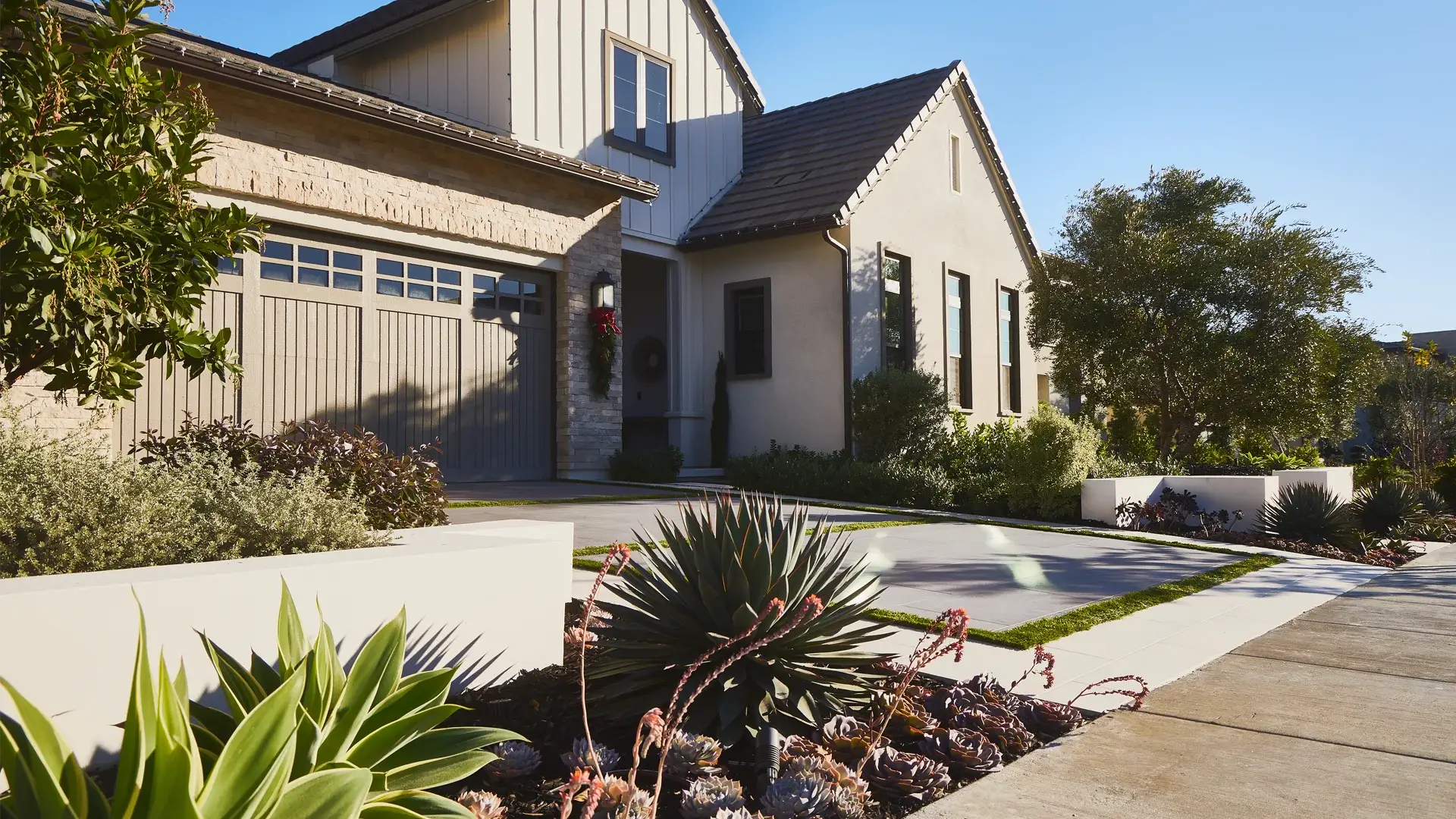
Budget-friendly landscape remodels start with prioritizing high-impact zones like entryways and patios, then phasing remaining work over seasons. Urban Landscape in Newport Beach, California recommends reusing existing hardscape, choosing drought-tolerant plants, and mulching beds to cut water costs while delivering a refreshed yard for less.
Planning comes first: create a clear design plan, prioritize layout and infrastructure, plant last, and build in phases while setting aside a 10–20% contingency to avoid overbuilding, overplanting, and costly rework.
Budget-friendly landscape remodels start with a clear design plan, a realistic budget, and a 10–20% contingency fund before construction begins. Prioritizing layout and infrastructure first, then planting last, prevents overbuilding and costly rework. Urban Landscape recommends phased building, allowing homeowners to control expenses while achieving lasting, high-quality outdoor transformations without sacrificing design integrity.
Key Takeaways
Start with a clear design plan and set a realistic budget before construction begins.
Prioritize layout and infrastructure first, then plant last to avoid overbuilding or overplanting.
Include a 10–20% contingency fund to cover unexpected costs and budget overruns.
Incorporate native plants and utilize DIY projects to maximize your landscaping budget efficiency.
What Do You Need Before Starting Your Remodel?
A clear plan, a defined budget, and a short list of priorities come before any shovel touches soil. Homeowners who skip this groundwork often pay twice — once for the mistake, once for the fix. A design-build firm with decades of artisan experience helps avoid those costly missteps by mapping the project before construction ever begins.
Preparation starts with vision, not vendors. Homeowners benefit from gathering inspiration photos, writing down specific goals, and making preliminary plant selections before setting a dollar figure. This upfront work turns vague wishes into a workable plan, which is one of the simplest ways to protect a budget on any cost-effective landscape remodeling project.
What should homeowners prepare before meeting a designer?
Bring a short checklist to the first conversation:
Inspiration photos showing preferred styles, colors, and materials
A written list of must-haves versus nice-to-haves
Rough plant preferences suited to the local climate
An honest sense of budget range and timeline
Does water-wise design matter for the budget?
Yes. Southern California’s water scarcity makes eco-friendly, drought-tolerant choices a practical budget safeguard, not just an environmental one. Selecting water-wise features early prevents expensive irrigation overhauls later.
What Are the Steps to a Budget Remodel?
Five sequential steps guide a successful, cost-effective landscape remodeling project from concept to completion. Homeowners who skip steps risk overbuilding, overplanting, or facing expensive rework mid-project. Each step below builds on the last, so following the order matters as much as the actions themselves.
Set a realistic budget first. Establish total spending before selecting materials or plants, and reserve 10–20% as contingency for unexpected costs.
Prioritize layout and infrastructure. Grading, drainage, and hardscape foundations come before decorative elements; skipping this order invites costly overspending later.
Design the complete plan once. A single, comprehensive design lets homeowners build in phases without redesign fees or mismatched materials down the line.
Choose a defined design style. Settling on Mediterranean, Tuscan, or Contemporary aesthetics keeps material and plant selections focused, preventing wasted purchases on pieces that don’t belong.
Plant last. Softscaping arrives after hardscape and infrastructure are finished, avoiding damage to new plants during construction.
How does material choice affect remodel costs?
Natural materials such as stone, wood, and recycled elements blend seamlessly with existing landscapes while controlling long-term expense. These materials age gracefully and require less frequent replacement than synthetic alternatives, protecting the homeowner’s investment for years.
Are eco-friendly features worth the upfront cost?
Eco-friendly water features pair durable materials with energy-efficient systems, delivering savings that accumulate over time. A fountain or pond built with these principles reduces utility costs while enhancing the garden’s long-term durability. The upfront investment pays dividends through reduced maintenance. Resource use, making it a sound choice for budget-conscious homeowners who still want lasting elegance.
Which Mistakes Drain Your Landscape Budget?
Rushed shortcuts and unqualified installation drain far more money than they save. Untrained crews create trial-and-error damage, uneven grading, and mismatched plantings that require costly correction down the line. Decades of hands-on experience, paired with genuine artisan skill, spare homeowners from repeating those errors and paying twice for the same project.
Cost-effective landscape remodeling succeeds through careful planning, creative material choices, and disciplined resource allocation, not through cutting corners on craftsmanship. Skimping on design quality often costs more later in repairs and replanting. A steadfast commitment to design excellence and precise execution protects the long-term value of any remodel, keeping the yard beautiful for years rather than months.
Why Do DIY Budget Remodels Often Look Uneven?
Mismatched results usually come from combining random plant choices without technical knowledge of placement or growth habits. Pairing expertise in specialty plant selection with proven landscaping methods produces a cohesive, elevated look instead of a patchwork yard. This blend of creativity and technique turns an ordinary budget project into something exceptional.
Frequently Asked Questions
How can homeowners avoid overspending on a budget-friendly landscape remodel?
Overspending typically happens when homeowners skip planning and move straight into construction. Urban Landscape recommends creating a clear design plan, setting a realistic budget, and reserving 10–20% as a contingency fund before any digging begins. Prioritizing layout and infrastructure — grading, drainage, and hardscape foundations — ahead of decorative elements prevents costly rework, while planting last avoids damage to softscaping during construction. Following this sequence, rather than skipping steps, is what keeps a budget-friendly landscape remodel from turning into an expensive series of corrections and mismatched purchases.
Is it cheaper to complete a landscape remodel all at once or in phases?
Phased building is generally the more budget-friendly approach. Once a single, comprehensive design plan is in place, homeowners can complete the project in stages without paying redesign fees or ending up with mismatched materials between phases. This approach lets homeowners control expenses over time while still achieving a lasting, high-quality outdoor transformation. Because the full design is mapped out from the start, each phase builds logically on the last, so an affordable yard makeover can be spread across seasons without sacrificing the overall design integrity of the finished landscape.
What are the most affordable landscaping materials for a yard makeover?
Natural materials such as stone, wood, and recycled elements are among the most cost-effective choices for a yard makeover because they blend seamlessly with existing landscapes while controlling long-term expense. These materials age gracefully and require far less frequent replacement than synthetic alternatives, which protects the homeowner’s investment over time. Choosing durable, natural materials upfront, rather than cheaper synthetic substitutes that wear out quickly, is one of the simplest ways to keep cheap landscaping materials from becoming a recurring cost down the line.
How do drought-tolerant plants help lower landscaping costs?
Because Southern California faces ongoing water scarcity, drought-tolerant, water-wise plant choices function as a practical budget safeguard rather than just an environmental one. Selecting these plants early, alongside reusing existing hardscape and mulching beds, helps cut water costs and prevents the need for expensive irrigation overhauls later in the project. For homeowners planning a low budget backyard idea, building water efficiency into the design from the start protects both the landscape’s long-term health and the overall remodeling budget from unnecessary utility and repair expenses.
Can a DIY landscape remodel really save money?
DIY landscape remodeling can reduce costs, but uneven, patchwork results usually happen when homeowners combine random plant choices without technical knowledge of placement or growth habits. Pairing careful specialty plant selection with proven landscaping methods produces a cohesive, elevated look instead of a mismatched yard. Homeowners pursuing DIY landscape remodeling get the best value by researching plant compatibility and growth patterns before purchasing, turning an ordinary budget project into something that looks intentional and well-designed rather than assembled piece by piece.
Why does hiring an experienced design-build firm matter for a budget remodel?
Untrained installation often costs more in the long run than it saves, since trial-and-error damage, uneven grading, and mismatched plantings typically require costly correction later. A design-build firm with decades of artisan experience helps homeowners avoid these missteps by mapping the entire project before construction ever begins. This steadfast commitment to design excellence and precise execution, rather than shortcuts, protects a remodel’s long-term value, keeping a budget-friendly landscape remodel beautiful for years rather than months.
Conclusion
A budget-friendly landscape remodel comes down to sequence and discipline: a clear design plan, a realistic budget with a 10–20% contingency, layout and infrastructure prioritized ahead of decorative elements, and planting saved for last. Cheap landscaping materials like natural stone, wood, and recycled elements, paired with drought-tolerant, water-wise plantings, keep an affordable yard makeover durable rather than disposable. Whether the work unfolds through DIY landscape remodeling or a phased, professionally guided build, the same low budget backyard ideas — planning first, quality materials, disciplined phasing — protect both the investment and the finished look. Ready to plan your budget-friendly landscape remodel? Urban Landscape’s design-build team brings decades of artisan experience to every project, helping homeowners map a plan that protects both budget and design integrity. Schedule a consultation to get started.