

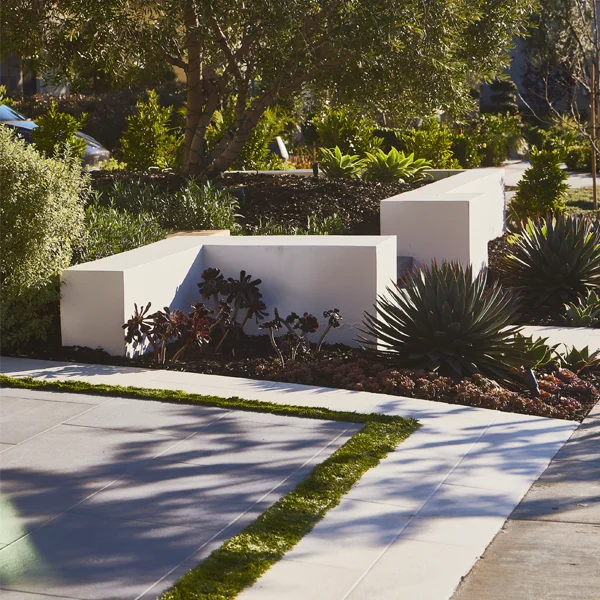
Recycled composite decking, permeable pavers, and reclaimed wood top the list of eco-friendly patio flooring options. Urban Landscape, based in Newport Beach, California, recommends permeable pavers for stormwater management and recycled composite boards for durability. Natural stone and gravel also reduce environmental impact while offering long-lasting, low-maintenance outdoor flooring solutions for homeowners.
Interlocking plastic patio tiles rank among the best eco-friendly options, offering a budget- and DIY-friendly surface that can be applied directly to slightly uneven ground without leveling. Recycled terrazzo, bamboo, cork, and reclaimed wood also provide sustainable, low-VOC alternatives that improve indoor air quality compared to conventional flooring, which can emit pollutant levels two to five times higher than outdoor air.
Sustainable patio flooring options include permeable pavers, reclaimed wood, natural stone, and recycled composite decking, each reducing runoff and environmental impact while withstanding Southern California weather. Interlocking plastic tiles offer a budget-friendly, DIY-installable choice for uneven surfaces. Urban Landscape Maintenance Inc. designs custom hardscapes using durable, eco-conscious materials that balance sustainability, longevity, and refined outdoor aesthetics.
Key Takeaways
- EPA studies show indoor pollutants reach two to five times higher levels than outdoors.
- New flooring releases hundreds of volatile organic compounds, including formaldehyde and benzene.
- Interlocking plastic patio tiles install directly on uneven surfaces without soil preparation required.
- Eco-friendly flooring options provide stylish, functional alternatives that reduce environmental impact significantly.
What Makes Patio Flooring Truly Eco-Friendly?
Genuine environmental responsibility starts with material selection, not marketing claims. A truly sustainable surface reduces environmental impact while still elevating the beauty of the space it inhabits. Innovative patio flooring solutions achieve this balance by pairing performance with a lighter ecological footprint, giving homeowners a floor that looks refined and behaves responsibly.
Natural materials sit at the heart of this approach. Stone, wood, and recycled composites blend seamlessly into the surrounding landscape rather than fighting against it, creating continuity between the built and the natural. Reclaimed and recycled options extend that philosophy further:
- Recycled terrazzo — brings texture and color without new raw extraction
- Bamboo — grows rapidly, replenishes quickly
- Cork — soft underfoot, naturally renewable
- Reclaimed wood — carries character while diverting material from landfills
Each option delivers natural beauty while cutting the environmental cost typically associated with conventional flooring.
Why does eco-friendly flooring matter more in Southern California?
Water scarcity changes the calculus for outdoor design across the region. In places like Orange County, eco-conscious installations aren’t a luxury add-on. They function as an essential piece of sustainable landscaping overall. A patio floor that conserves resources and ages gracefully supports the entire outdoor ecosystem around it.
Does eco-friendly mean sacrificing style?
Not at all. The best sustainable materials enhance aesthetics rather than diminish them, proving that responsible choices and refined design can coexist beautifully.
Which Innovative Patio Flooring Solutions Perform Best?
Performance depends on the ground beneath the surface, not just the material on top. Skipping proper preparation costs homeowners years of stability, since bare dirt shifts and settles unevenly under any flooring. Innovative patio flooring solutions succeed when they pair smart materials with a solid foundation.
Is it safe to lay patio flooring directly on dirt?
Placing flooring straight onto soil invites trouble. Dirt compresses inconsistently, and the result is a patio that buckles, dips, or cracks within seasons. A prepared base — gravel, sand, or a leveled sub-surface — protects the investment above it.
What's the easiest DIY-friendly flooring option?
Interlocking plastic tiles solve the problem for renovators short on time or budget. They snap together without adhesives and tolerate slightly uneven ground better than rigid materials. For a weekend project, this remains one of the most forgiving choices available.
Design flexibility matters just as much as durability. Urban Landscape Maintenance builds flooring solutions that adapt across aesthetics:
- Spanish-Santa Barbara — warm tones, textured surfaces
- Tuscan and Mediterranean — natural stone character
- Modern-Contemporary — clean lines, minimal grout lines
- Rustic-Free Form — irregular shapes, organic edges
Sustainability strengthens performance rather than limiting it. The same principle guiding eco-conscious water features — durable materials matched with efficient systems — applies directly to flooring. Chosen well, a patio surface delivers style, longevity, and a lighter footprint all at once.
How Do You Choose the Right Sustainable Patio Floor?
Selecting the right sustainable patio floor starts with weighing durability, water sensitivity, and long-term upkeep against personal style goals. Dozens of materials flood the market today, and narrowing that field overwhelms even experienced homeowners planning a renovation. Innovative patio flooring solutions solve this by pairing eco-conscious materials with performance-driven engineering. The choice doesn’t have to mean sacrificing either look or longevity.
What Should Homeowners Weigh Before Deciding?
Climate, drainage, and daily use matter more than trend or color alone. Urban Landscape, based in Newport Beach, California, guides regional homeowners toward materials suited to Southern California’s dry seasons and water restrictions.
Consider these factors before committing to a material:
- Water efficiency and drainage performance
- Resistance to fading, cracking, or warping over time
- Compatibility with existing landscape and irrigation design
- Long-term maintenance demands versus upfront cost
Does Eco-Friendly Mean Sacrificing Durability?
No. A well-planned outdoor space pairs sustainable, durable materials with energy-efficient systems built for lasting performance. That combination lets homeowners enjoy a beautiful patio without trading away strength or longevity.
Selecting eco-friendly patio flooring represents a meaningful investment in both environmental stewardship and enduring outdoor beauty. Whether you prioritize sustainable materials, water conservation, or minimal ecological impact, these conscientious choices deliver sophisticated aesthetics without compromise. At Urban Landscape Maintenance Inc., we specialize in curating premium flooring solutions that harmonize environmental responsibility with luxurious design, transforming your outdoor sanctuary into a testament to refined living and ecological integrity.
FAQ
What are the best eco-friendly patio flooring options?
Interlocking plastic tiles, recycled terrazzo, bamboo, cork, and reclaimed wood rank among the top choices. Permeable pavers, natural stone, and recycled composite decking also reduce runoff while withstanding Southern California weather.
Why does eco-friendly patio flooring matter in Southern California?
Water scarcity across the region makes eco-conscious installations essential rather than optional. A resource-conserving patio floor supports the entire outdoor ecosystem, particularly in areas like Orange County.
Does choosing eco-friendly flooring mean giving up style?
No, the best sustainable materials enhance aesthetics rather than diminish them. Stone, wood, and recycled composites blend seamlessly into the landscape, proving responsible choices and refined design coexist beautifully.
Conclusion
Choosing the best eco-friendly patio flooring comes down to matching each material’s strengths to a homeowner’s climate, budget, and design goals. Permeable pavers manage stormwater, recycled composite decking delivers durability, natural stone and reclaimed wood offer low-maintenance longevity, and interlocking plastic tiles provide a budget-friendly, DIY-installable surface for uneven ground. Together, these sustainable options prove that responsible material choices and refined outdoor design are not mutually exclusive. For homeowners ready to weigh these possibilities against their own patio, Urban Landscape Maintenance‘s design expertise offers a natural next step toward a beautiful, eco-conscious outdoor space.