


Eco-Friendly Hardscape Materials on the Rise: Discover Sustainable Solutions for Luxurious Outdoor Living
Demand for sustainable living is rising, and eco-friendly hardscape materials are essential to crafting luxurious outdoor environments that enhance a landscape’s visual character while advancing conservation goals. This article examines key sustainable hardscape types, their environmental benefits, and design considerations for integrating them into outdoor living—so you can select materials that reflect your values and elevate your exterior spaces.
The growing prominence of eco-conscious hardscape options responds to heightened interest in sustainability. Homeowners now seek solutions that reduce carbon impact without sacrificing elegance or function. Below we outline material categories, environmental advantages, design guidance, and examples of luxury eco-friendly projects.
Types of Sustainable Materials
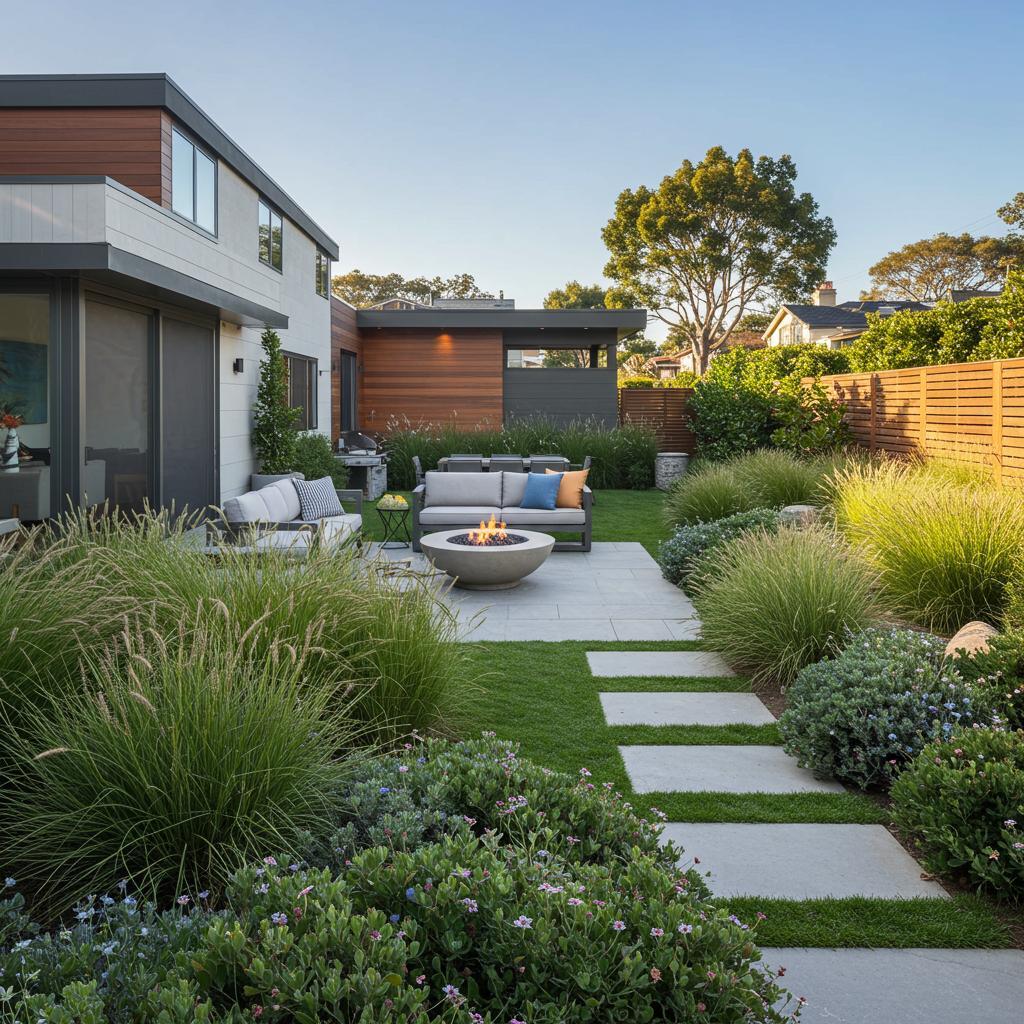
Sustainable hardscape materials span a broad spectrum and shape both ecological performance and aesthetic outcome. Here are some of the most sought-after options:
Natural Stone
Natural stone remains a timeless, premium choice—valued for durability and refined appearance. When quarried responsibly, it is a sustainable option: its resilience to severe weather and minimal maintenance make it a long-lasting investment for distinguished outdoor spaces.
Reclaimed Wood
Reclaimed wood introduces unique character and provenance to hardscaping. Salvaged from barns, buildings and other structures, it reduces waste and lessens demand for new timber. Its aged patina contributes warmth and narrative while supporting a cyclical, resource-conscious approach.
Composite Decking
Composite decking, produced from recycled wood fibers and plastics, offers an eco-conscious alternative to traditional timber. It delivers the aesthetic warmth of wood with reduced maintenance—resistant to rot, splintering and fading—making it a durable choice for refined outdoor living.
Permeable Pavers
Permeable pavers facilitate water infiltration, reduce surface runoff and support groundwater recharge. Their stormwater-management capacity makes them well-suited to environmentally thoughtful landscapes. By controlling runoff, permeable pavers help prevent erosion and flooding and promote a healthier local ecosystem.
Research further underscores the notable environmental advantages of permeable pavement systems, particularly in stormwater management and mitigation of urban heat island effects.
Permeable Pavement Systems: Eco-Friendly Hardscape for Stormwater & UHI Mitigation
This review examines PPS effectiveness across hydrological performance, environmental impact and overall functionality. Compared with traditional stormwater methods, PPS demonstrates improved pollutant removal efficiencies, reduced runoff volumes and enhanced groundwater recharge. The study also indicates PPS mitigates urban heat island impacts by lowering heat absorption and promoting cooling while filtering pollutants. Together, these outcomes support more eco-friendly urban ecosystems and yield practical, environmental and financial benefits.
Evaluation of permeable pavement systems (PPS) as best management practices for stormwater runoff control: a review, K Tota-Maharaj, 2024
Drought-Resistant Plants
Integrating drought-resistant plants conserves water while enhancing landscape refinement. These species thrive in low-water regimes, reducing irrigation needs and routine upkeep. Choosing drought-tolerant varieties enables you to cultivate resilient, attractive gardens with lower resource demands.
| Material | Environmental Benefit | Aesthetic Appeal |
|---|---|---|
| Natural Stone | Durable and long-lasting | Timeless and elegant |
| Reclaimed Wood | Reduces waste and promotes recycling | Unique and rustic charm |
| Composite Decking | Made from recycled materials | Wood-like appearance |
| Permeable Pavers | Manages stormwater and reduces runoff | Versatile design options |
| Drought-Resistant Plants | Conserves water and enhances biodiversity | Vibrant and diverse landscapes |
The table illustrates how sustainable materials provide environmental advantages while enhancing the visual appeal of outdoor spaces.
Environmental Benefits
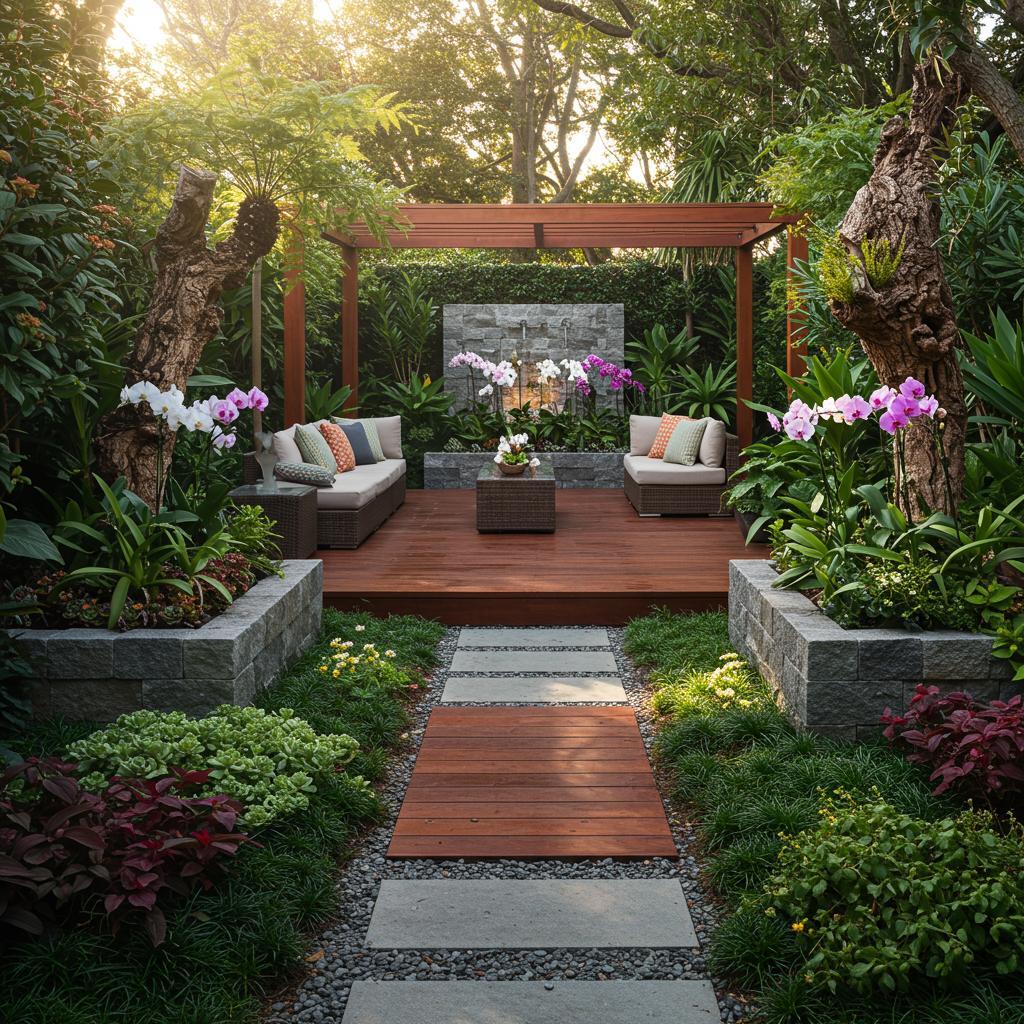
Choosing eco-friendly hardscape materials delivers tangible environmental benefits and can materially reduce your ecological footprint. Key advantages include:
- Waste Reduction : Utilizing reclaimed materials and recycled products minimizes waste in landfills, promoting a circular economy.
- Lower Carbon Footprint : Sustainable materials often require less energy to produce and transport, leading to reduced greenhouse gas emissions.
- Improved Air Quality : Many eco-friendly materials contribute to better air quality by reducing pollutants and promoting healthier outdoor environments.
Urban Landscape Maintenance Inc. specializes in high-end outdoor living spaces with a focus on sustainable, eco-friendly hardscape materials. By choosing these options, homeowners achieve landscapes that are both luxurious and responsibly designed.
Key Design Considerations
When selecting sustainable hardscape materials, consider core design principles to ensure a cohesive and functional outdoor environment:
- Aesthetic Appeal : Choose materials that complement the overall design of the home and landscape.
- Durability : Opt for materials that can withstand the elements and require minimal maintenance.
- Low Maintenance : Select options that do not require frequent upkeep, allowing homeowners to enjoy their outdoor spaces without constant care.
Urban Landscape Maintenance Inc.’s portfolio highlights luxury, eco-conscious projects that demonstrate innovative applications of sustainable materials. Their expertise helps homeowners realize refined outdoor visions while maintaining environmental priorities.
Portfolio of Luxury Eco-Friendly Projects
Urban Landscape Maintenance Inc. has completed numerous projects that showcase the aesthetic and functional strengths of eco-friendly hardscape materials. Client testimonials reflect satisfaction with both design and performance, illustrating the transformative potential of sustainable landscaping.
By integrating eco-friendly hardscape materials into outdoor designs, homeowners can create luxurious spaces that express their values and commitment to sustainability. The union of refined aesthetics and environmental responsibility makes these materials a clear choice for modern landscapes.
Frequently Asked Questions
What are the cost implications of using eco-friendly hardscape materials?
Eco-friendly hardscape materials can have a higher upfront cost than conventional alternatives, but they frequently deliver long-term savings. Their durability reduces the need for replacement and lowers maintenance expenses. Many sustainable selections, such as reclaimed wood and permeable pavers, may also enhance property value. Assess lifecycle costs—including energy savings and environmental benefits—when evaluating the investment.
How do I maintain eco-friendly hardscape materials?
Maintenance is generally straightforward. Natural stone and composite decking require minimal upkeep, while reclaimed wood benefits from occasional sealing to protect against moisture. Regular cleaning with environmentally friendly products preserves appearance. Adhering to material-specific care guidelines ensures longevity and sustained elegance.
Can I combine different types of sustainable materials in my landscaping project?
Yes—thoughtful combinations of sustainable materials can produce a visually compelling and highly functional landscape. Pairing permeable pavers with drought-tolerant planting enhances both aesthetics and environmental performance. Mixing textures and tones adds depth; ensure materials are compatible and aligned with your overall design intent.
What are the best eco-friendly options for small outdoor spaces?
For smaller spaces, prioritise solutions that maximise utility and sustainability. Vertical gardens with drought-resistant plants and reclaimed wood structures expand planting capacity. Permeable pavers manage runoff while offering a refined surface. Composite decking can increase usable area without compromising eco credentials. Focus on multifunctional design to elevate both form and function.
How do eco-friendly hardscape materials contribute to biodiversity?
Eco-friendly hardscapes support biodiversity by creating habitat and improving soil health. Permeable surfaces enable water infiltration, nourishing plants and attracting pollinators and other wildlife. Incorporating native species further strengthens local ecosystems by providing food and shelter adapted to regional conditions.
Are there any certifications for eco-friendly hardscape materials?
Several certifications indicate responsible sourcing and reduced environmental impact. Look for Forest Stewardship Council (FSC) certification for wood products and materials that meet LEED standards. These credentials help you make informed, sustainability-minded choices for your landscaping projects.
Conclusion
Embracing eco-friendly hardscape materials enhances the beauty of outdoor spaces while meaningfully contributing to environmental sustainability. Selecting natural stone, reclaimed wood and permeable pavers enables homeowners to create luxurious landscapes that reflect their commitment to the planet. These materials offer enduring durability and reduced maintenance, making them a prudent long-term investment. Explore our sustainable hardscape solutions to elevate your outdoor living experience.