landscape, soil, sustainability, natural environment, urban green space, roof, lawn, green roof, mulch, ecosystem, hardscape, irrigation, urban heat island, urban design, species, garden design, native species, leaf, wildlife, landscape design, pollution, roof garden, stormwater, architecture, shrub, air pollution, energy, construction, urban planning, architect, biodiversity, sidewalk, climate, habitat, ecology, rain garden, carbon, communal garden, carbon dioxide, infrastructure, erosion, fertilizer, lawn care, drainage, water pollution, horticulture, quality of life, sustainable landscaping, topsoil, invasive species, zoning, building material, water conservation, waste, pest, environmentally friendly, urban forestry, tree care, matter, concrete, prairie, landscape architect, compost, sod, patio, courtyard, oxygen, environmental issues, pest control, beauty, street, carbon sequestration, plant nursery, dust, groundcover, climate change, urbanization, urban forest, sustainable city, water supply, noise pollution, shade, transpiration, soil erosion, atmosphere, landscaping, outdoor spaces, green spaces, lawn maintenance, installation, public spaces, landscaping design, landscaping services, photography, landscape photography, transport, urban area, built environment, cityscape, town, resource, wetland, street photography, new york city, recreation, historic preservation, pedestrian, skyscraper, monument, environmental impact assessment, installations, build, culture, flood, landscape architecture, urban agriculture, interior design, built, agriculture, vegetation, wind, mental health, topography, noise, infiltration, fossil fuel, public space, pesticide, site analysis, erosion control, fence, the nature conservancy, landscape architects, microclimate, carbon footprint
Frequently Asked Questions
How can climate change impact urban landscapes?
Climate change can significantly impact urban landscapes through rising sea levels, increased frequency of extreme weather events, and shifts in temperature and precipitation patterns. These changes can lead to challenges such as flooding, drought, and habitat loss, necessitating sustainable urban design and resilient infrastructure.
Does urban farming affect the environment?
Urban farming can have both positive and negative environmental impacts. Potential benefits include reduced food miles, increased local food production, and improved land utilization. However, it may also increase water usage and generate waste. Careful planning is key to maximizing urban farming's environmental sustainability.
How does urbanization affect the land?
Urbanization has several impacts on land:
Increased impervious surfaces like roads and buildings, reducing natural land area and disrupting soil ecosystems.
Conversion of agricultural and natural lands to residential, commercial, and industrial uses, leading to habitat loss and fragmentation.
Rising land values, pricing out low-income residents and small businesses in favor of larger-scale development.
Increased demand for infrastructure and resources like water, energy, and waste management to support growing urban populations.
How can we coexist with beavers in the urban and suburban landscape?
Coexisting with beavers in urban/suburban areas requires a multi-faceted approach:
Adapting landscape design to accommodate beaver activity, such as planting native vegetation less susceptible to damage.
Implementing non-lethal deterrents like wire mesh fencing to protect vulnerable trees and structures.
Educating the public on the ecological benefits of beavers and how to responsibly manage their presence.
Collaborating with wildlife authorities to develop comprehensive management plans tailored to the local ecosystem.
How can the urban landscape influence music?
The urban landscape can influence music in several ways: Architectural features and ambient sounds can inspire new musical compositions.Diverse cultural influences in urban areas can lead to the blending of musical genres.The energy and dynamism of city life can be reflected in the rhythms and melodies of urban music.
How has urban sprawl changed the landscape of cities?
Urban sprawl has led to the expansion of cities, resulting in the loss of green spaces, increased reliance on automobiles, and higher demands for infrastructure and resources. This has profoundly altered the landscape, creating a more congested and less environmentally sustainable urban environment.
How did the urban landscape of the United States change?
The urban landscape of the United States has undergone significant changes over time:
Expansion of cities and suburban development, leading to increased population density and urban sprawl.
Shifts in architectural styles and building materials, reflecting evolving design trends and sustainability considerations.
Transformation of transportation infrastructure, including the rise of highways, public transit systems, and pedestrian-friendly initiatives.
Redevelopment of urban cores, with a focus on revitalizing downtowns, creating mixed-use spaces, and enhancing public spaces.
Incorporation of green spaces, urban parks, and sustainable landscaping to address environmental concerns and improve quality of life.
How does urbanization change the American landscape in the 1900s?
Urbanization in the 1900s led to the rapid growth of cities, pushing development into previously rural areas. This transformation reshaped the American landscape, replacing farmland and natural habitats with residential, commercial, and industrial infrastructure.
How does urban landscape affect environmental change?
Urban landscapes can significantly impact environmental change through increased impervious surfaces, reduced green spaces, and altered microclimates. These factors can contribute to higher temperatures, reduced stormwater absorption, and disrupted natural habitats. Integrating sustainable landscaping practices, such as incorporating native plants and permeable surfaces, can help mitigate the environmental effects of urban development.
How does financial crisis change urban landscape?
Financial crises can drastically alter urban landscapes by reducing investments in infrastructure, leading to deterioration of public spaces, and forcing businesses to close, thereby impacting the overall appearance and vibrancy of cities.
How have certain aspects of the physical landscape modified the development of these urban areas?
The physical landscape has significantly influenced the development of urban areas in several ways:
Topography shapes the layout and infrastructure of cities, with hills, valleys, and waterways guiding the placement of roads, buildings, and utilities.
Availability of natural resources, such as water sources and arable land, has determined the location and growth of settlements.
Climate and weather patterns have impacted architectural styles, building materials, and urban planning to address the environmental conditions.
How did the interstate highway change the urban landscape in the US?
The interstate highway system transformed the urban landscape in the U.S. by:
Facilitating suburban sprawl and migration away from city centers
Enabling commuting and car-centric development patterns
Disrupting urban neighborhoods through construction of highways
Reducing reliance on public transportation and walkable communities
What is urban landscape design?
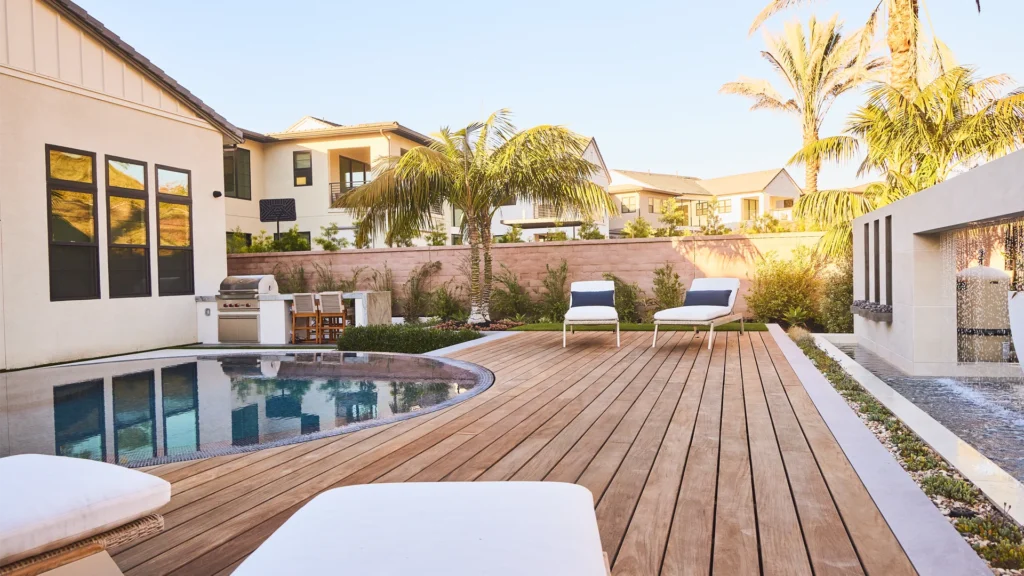
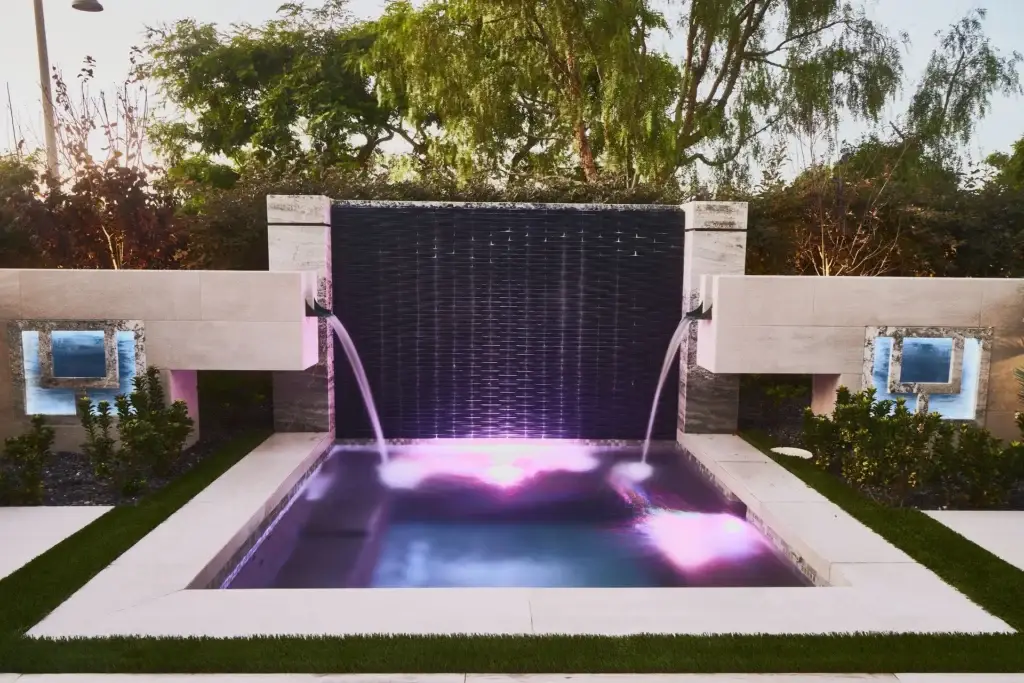
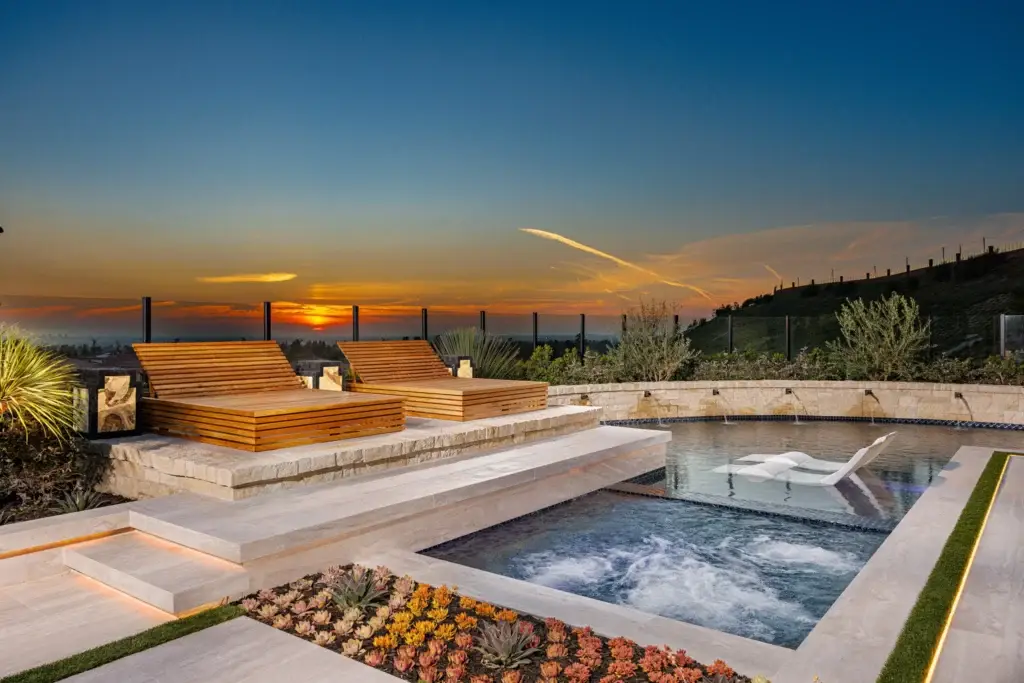
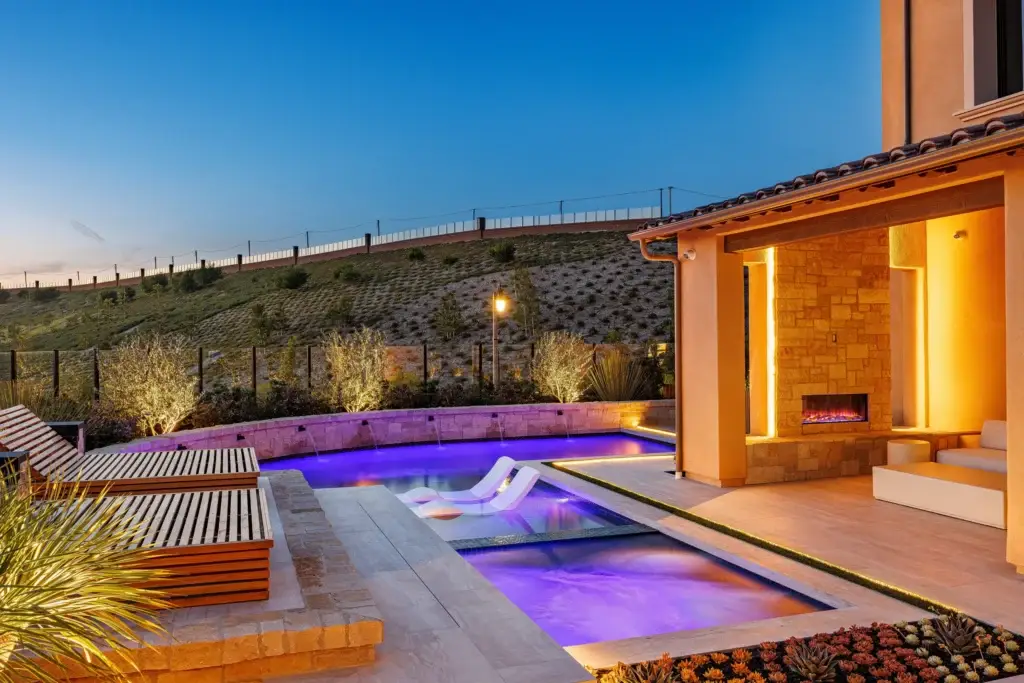
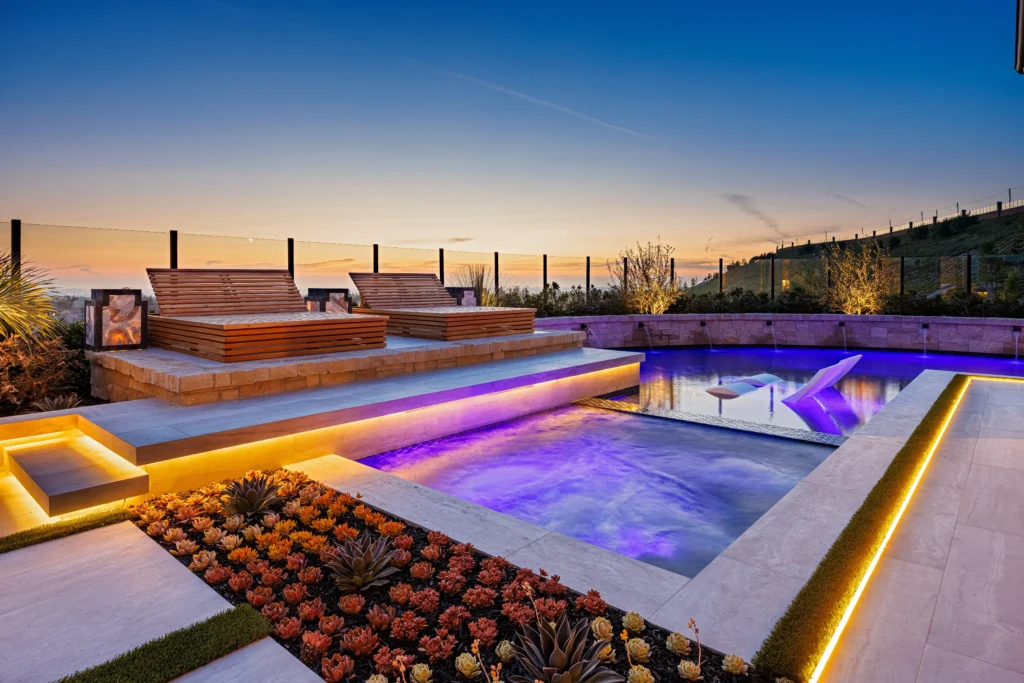
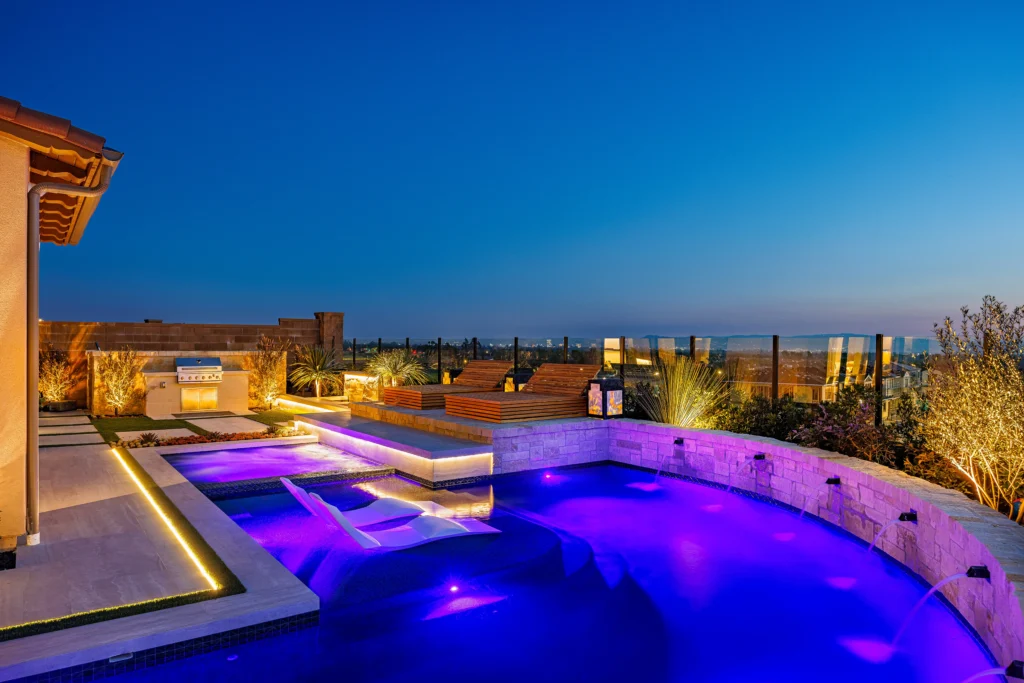
Urban landscape design involves creating functional and aesthetically pleasing outdoor spaces in urban environments. It incorporates elements like hardscaping, softscaping, and water features to enhance the visual appeal and functionality of public or private properties.
How have the California water wars impacted the urban landscape?
The California water wars have impacted urban landscapes by driving conservation efforts, promoting water-wise landscaping, and increasing the use of drought-tolerant plants and efficient irrigation systems to manage limited water resources.
Does the US use landscape urbanism or new urbanism?
The US primarily employs new urbanism, an approach that emphasizes mixed-use, walkable communities with interconnected streets and public spaces. Landscape urbanism, which focuses on the integration of landscape and infrastructure, is less widely adopted in the US.
How to design landscape urbanism?
Landscape urbanism is an approach to urban design that integrates natural and built environments. Key elements include incorporating green spacesutilizing sustainable materialscreating pedestrian-friendly layouts. Successful landscape urbanism design focuses on enhancing the user experience and promoting environmental sustainability.
How can urbanization threaten communities and landscapes?
Urbanization can threaten communities and landscapes in several ways:
Displacement of local populations and disruption of traditional ways of life
Destruction of natural habitats and green spaces, leading to loss of biodiversity
Increased pollution, congestion, and strain on infrastructure
Homogenization of urban environments, eroding cultural and architectural uniqueness
How did urbanization change the physical landscape?
Urbanization has significantly transformed the physical landscape by replacing natural environments with built infrastructure, including residential, commercial, and industrial developments. This process has led to the expansion of cities, reduction of green spaces, and increased impervious surfaces, often altering the natural topography and drainage patterns.
How did urbanization change the physical landscape in the 19th century?
Urbanization in the 19th century led to rapid population growth and industrialization, transforming the physical landscape through the construction of dense urban centers, factories, transportation infrastructure, and the expansion of residential areas. This process often resulted in the loss of natural habitats and the degradation of the environment.
How to define urban landscape?
Urban landscape refers to the physical and visual elements that make up a city or urban area, including buildings, infrastructure, public spaces, greenery, and other features that create the overall character and environment of a metropolitan setting.
How is urban land used?
Urban land is typically used for residential, commercial, and industrial development, as well as public spaces like parks, schools, and transportation infrastructure. Land use planning aims to optimize the use of urban space to meet the needs of the community.
How did urban renewal in cities like Paris change their overall landscape?
Urban renewal in cities like Paris transformed their overall landscape through large-scale infrastructure projects, demolition of older neighborhoods, and construction of wider boulevards, public spaces, and iconic buildings like the Eiffel Tower.
What are the 5 basic elements of landscape design?
Plants and vegetation
Hardscape elements (paths, patios, walls, etc.)
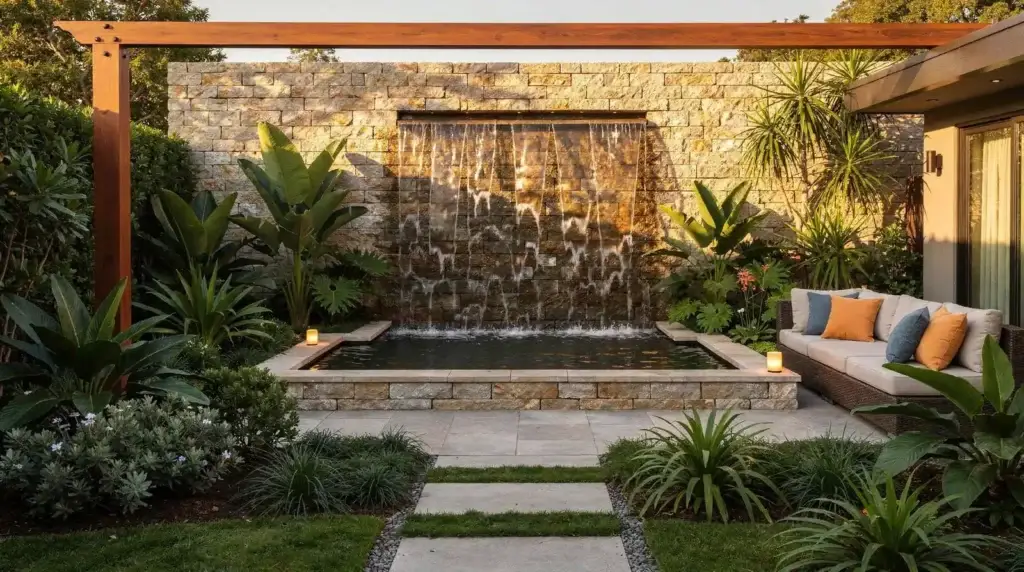
Water features (fountains, ponds, etc.)
Lighting
Decorative accents (sculptures, seating, etc.)
Can you be an urban planner with a landscape architecture degree?
Yes, you can become an urban planner with a landscape architecture degree. Landscape architects often work in urban planning roles, applying their knowledge of landscape design, environmental planning, and sustainable development to shape the built environment.
How did technological advances reshape the urban landscape?
Technological advances have reshaped the urban landscape in several ways:
Improved transportation infrastructure, like high-speed rail and autonomous vehicles, has changed the way people move through and interact with cities.
Smart city technologies, such as IoT sensors and data analytics, have enabled more efficient urban planning and resource management.
The rise of e-commerce and remote work has reduced the need for physical retail and office spaces, leading to the repurposing of urban areas.
How have residential and commercial areas changed the urban landscape?
Residential and commercial development has significantly transformed urban landscapes. Expansive suburbs, shopping malls, and high-rise buildings have replaced natural habitats, altering the visual and ecological character of cities. This transition has increased impervious surfaces, reduced green spaces, and impacted local ecosystems.
What is the difference between urban design and landscape design?
Urban design focuses on the overall layout and planning of public spaces, infrastructure, and buildings within a city or urban area. Landscape design focuses on the design and organization of outdoor spaces, including gardens, parks, and natural environments.
What is considered urban landscape?
Urban landscape refers to the designed and built environment within urban areas, including parks, public spaces, streetscapes, and other outdoor elements that contribute to the character and functionality of a city or town.
How landscape urbanism relates to architecture?
Landscape urbanism is an interdisciplinary approach that integrates landscape design principles with urban planning and architecture. It considers the natural environment, public spaces, and infrastructure as essential elements in creating sustainable and livable cities.
How does urbanization affect land use?
Urbanization leads to increased land conversion from natural or agricultural uses to residential, commercial, and industrial development. This can result in reduced green space, loss of biodiversity, and pressure on natural resources. Effective land use planning is crucial to balance urban growth and environmental conservation.
How does landscape urbanism approach transportation?
Landscape urbanism emphasizes the integration of transportation infrastructure with natural and designed landscapes. It promotes walkable, bikable, and transit-oriented development to reduce reliance on private vehicles and foster a more sustainable and livable urban environment.
custom landscape, urban landscape architects, landscape design blog, urban landscapers, urban landscape design, landscape blog, newport beach landscape maintenance, landscape blogs, urban landscaping, landscape newport beach, urban landscape, luxury landscape, urban landscape company, landscaping newport beach, urban landscape management, landscape orange county, urban landscape los angeles, urban landscaping company, luxury landscape design, luxury landscaping, urban landscapes, urban landscape designs, urban and landscape design, urban landscaping ideas, how have residential and commercial areas changed the urban landscape, mccorkle landscaping, luxury landscaping los angeles, urban landcape, luxury landscape design los angeles, luxury landscape installation in commerce city, urban soil landscape, hardscaping blog, luxury landscape designer in los angeles, food producing softscape design and install, landscaping blog, los angeles luxury landscape architects, century city backyard remodel, urban luxury landscape design, urban landscaping systems, traditional luxury landscape design solutions, what is urban landscape, luxury landscaping in commerce city, luxury hardscape design solutions, landscape design urban, what is urban landscaping, green building landscaping, urban escape landscape, mud landscaping
Sustainable Urban Landscape Design
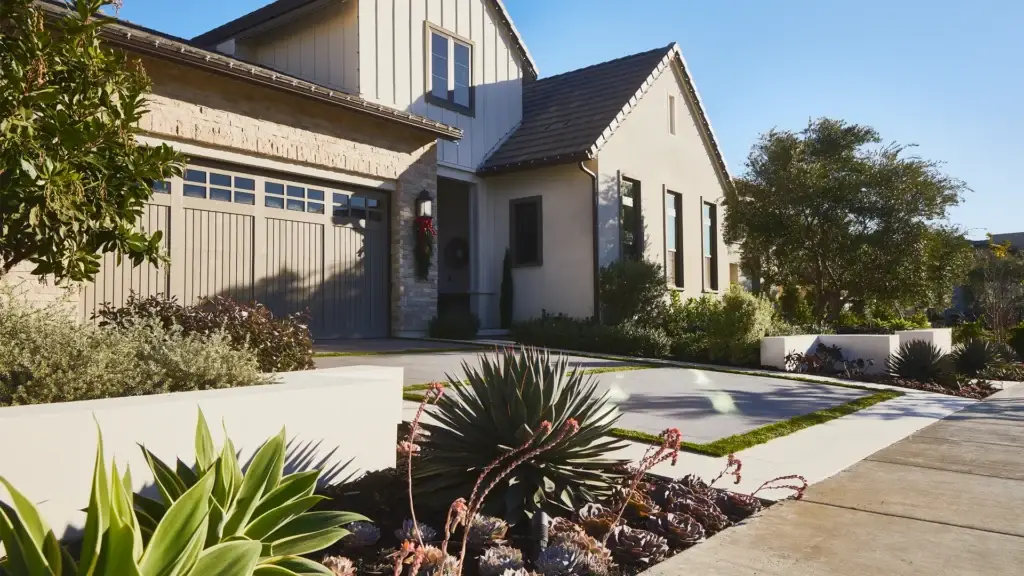
Sustainable urban landscape design focuses on creating outdoor spaces that are environmentally friendly, resource-efficient, and enhance the overall quality of life for city dwellers. By incorporating green infrastructure, native plantings, and water-wise solutions, sustainable landscape design can help mitigate the impact of urbanization on the local ecosystem.
Key aspects of sustainable urban landscape design include utilizing drought-tolerant plants, implementing permeable surfaces to reduce stormwater runoff, optimizing irrigation systems, and promoting biodiversity through the selection of native species. This approach helps conserve natural resources, reduce carbon footprint, and create more livable and resilient urban environments.
Multifunctional Outdoor Spaces
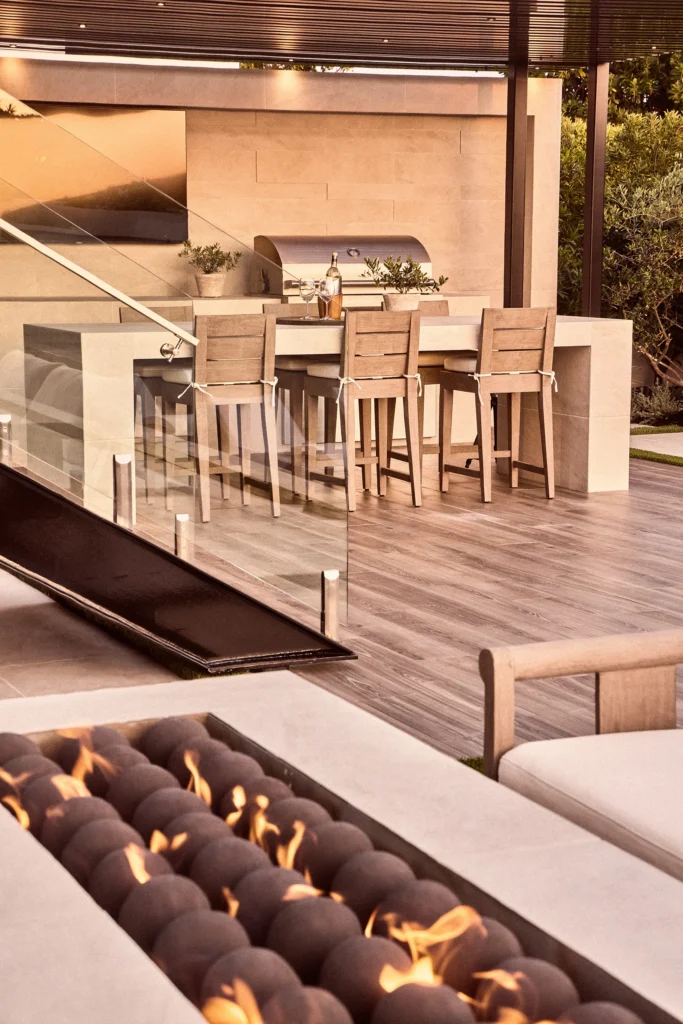
Multifunctional outdoor spaces in urban landscapes serve a variety of purposes, from recreation and relaxation to community gathering and environmental sustainability. These spaces are designed to seamlessly integrate hardscaping, softscaping, and amenities to create versatile and engaging outdoor experiences.
By incorporating elements like seating areas, playgrounds, water features, and productive landscapes, multifunctional outdoor spaces promote physical activity, social interaction, and environmental stewardship. This holistic approach to urban landscape design enhances the overall quality of life for residents and contributes to the vibrancy and resilience of the community.
Integrating Technology in Urban Landscape Design
Advancements in technology have transformed the way urban landscapes are designed and managed. The integration of smart city technologies, such as IoT sensors and data analytics, enables more efficient resource allocation, improved maintenance, and enhanced user experiences within urban outdoor spaces.
From automated irrigation systems that optimize water usage to interactive wayfinding and information kiosks, technology-driven urban landscape design can streamline operations, promote sustainability, and provide valuable insights to help shape the future of public spaces. By leveraging these innovative solutions, urban landscape professionals can create more responsive, adaptable, and user-centric outdoor environments.
Preserving Urban Biodiversity
Preserving and enhancing urban biodiversity is crucial for maintaining the ecological balance and overall health of urban landscapes. Through thoughtful design and management practices, urban landscape professionals can create habitats that support a diverse array of plant and animal species, contributing to the resilience of local ecosystems.
Strategies for preserving urban biodiversity include incorporating native plant species, establishing wildlife corridors, and minimizing the use of pesticides and other harmful chemicals. By promoting biodiversity, urban landscape design can help mitigate the negative impacts of urbanization, support ecosystem services, and enhance the overall environmental well-being of cities.